
Health Diagnostics and Frequency Biofeedback Therapy: How It Works
An introduction to frequency therapy and biofeedback diagnostics—clear, simple, and practical for everyone.
Discover how modern biofeedback and frequency-based diagnostics can unlock hidden insights into your health. With real-time analysis and corrective feedback, your body’s natural balance can be restored quickly and safely.
Unlike traditional biochemical methods that take weeks or months, frequency biofeedback works within minutes—tuning your cells and systems like instruments in a well-orchestrated symphony. Monicor brings this advanced technology directly to your practice, empowering both therapists and clients with measurable results.

Join Our Mailing List to Unlock Exclusive Insights into Frequency Therapy
Table of Contents
Health Diagnostics and Frequency Biofeedback Therapy: How It Works
- The Principle Behind Frequency Therapy
- Biofeedback and Frequency Therapy: Real-Time Cellular Correction
- Scientific Foundations of Frequency Therapy
- Frequency-Based Diagnostics: Principles and Applications
- How Frequency Diagnostics Works
- Advantages of Frequency Diagnostics
- Limitations and Scientific Perspective
- What a Frequency Therapy and Diagnostics Session Looks Like
- Types of Frequency Therapy
- When Frequency Therapy Is Indicated
- Key Benefits of Frequency Therapy
- Integration With Other Approaches
- The Future of Frequency-Based Medicine
- FAQ
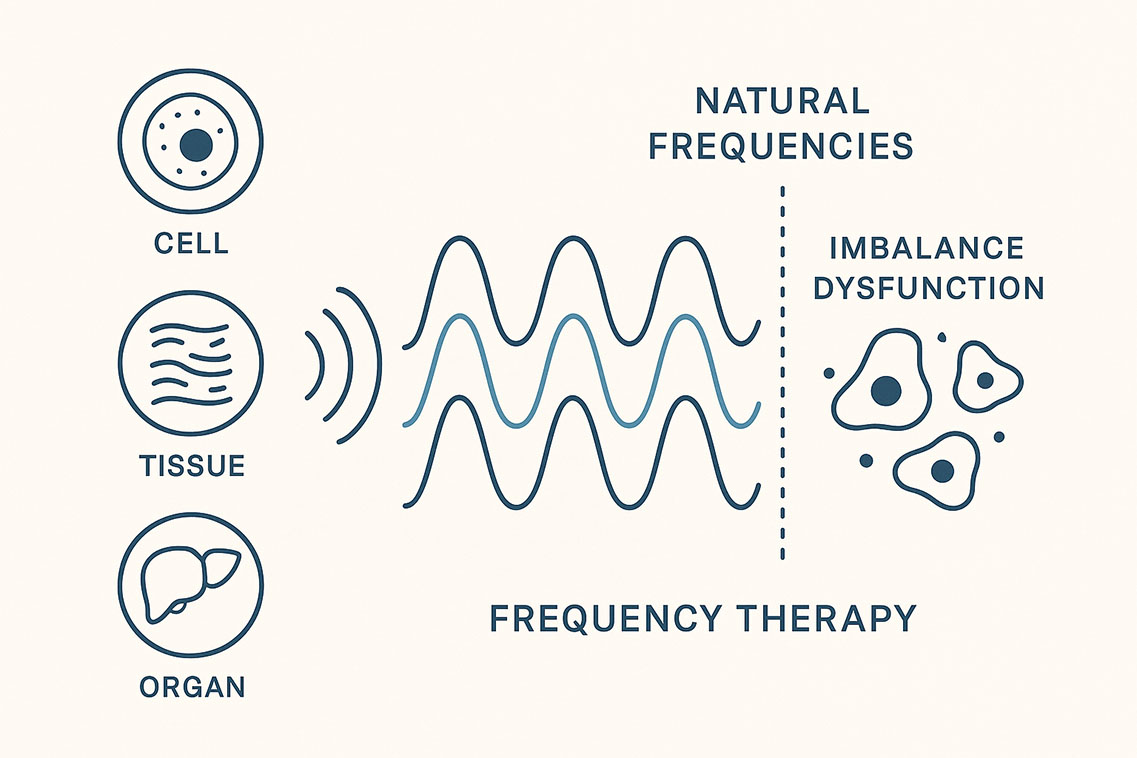
The Principle Behind Frequency Therapy
Frequency therapy is a modern method of influencing the human body using electromagnetic oscillations of specific frequencies.
Unlike biochemical methods (medications, supplements), whose effects may take hours, days, or even months, frequency therapy works fast — changes at the cellular level can occur within seconds or minutes.
Frequency therapy is based on the idea that every cell, tissue, and organ in the body has its own natural frequency. When these frequencies are balanced, the body functions harmoniously. But when one element “falls out of tune,” imbalance and dysfunction can occur.
Biofeedback and Frequency Therapy: Real-Time Cellular Correction
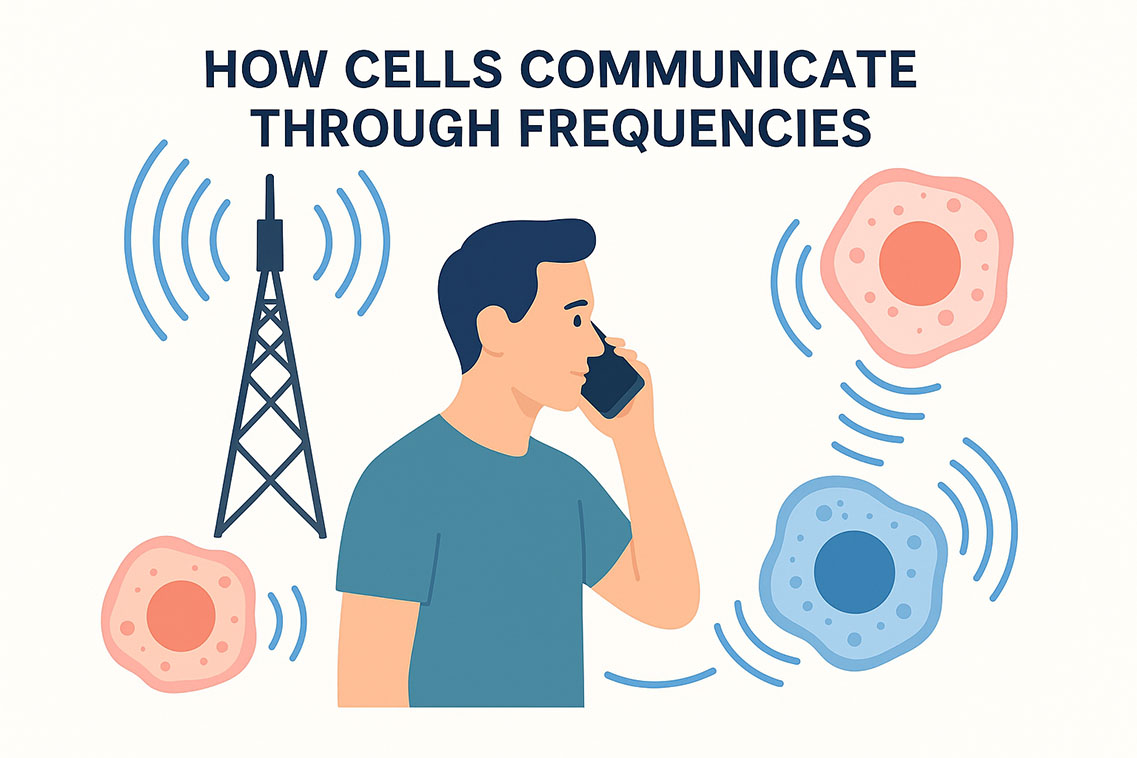
Imagine the body as a vast network of communicating cells. Each cell exchanges information with its neighbors through electromagnetic signals, much like mobile devices exchanging data via antennas. When communication is clear, health is maintained; when signals are distorted, problems begin
Frequency therapy works by restoring this communication. Using precisely selected electromagnetic frequencies, it can:
- Stimulate beneficial processes (like tissue regeneration).
- Suppress harmful ones (such as inflammation).
- Harmonize cellular communication for improved overall balance.
With a biofeedback loop, the body’s frequencies are measured in real time and adjusted simultaneously, ensuring that the correction is immediate and individualized. This makes frequency therapy faster and more adaptive than traditional biochemical approaches, which may take weeks or months to show results.
Scientific Foundations of Frequency Therapy
Modern research confirms that living systems are sensitive to electromagnetic fields.
Just as the heart is measured by ECG and the brain by EEG, cells also emit and respond to subtle frequency signals. These signals are not random—they carry informational patterns that coordinate biochemical reactions, regulate repair, and maintain balance.
Studies in biophysics suggest that:
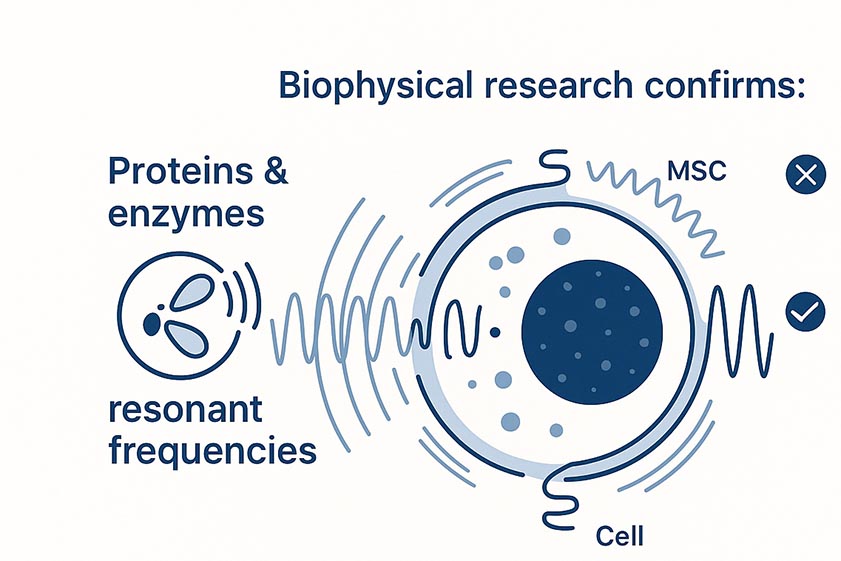
- Proteins and enzymes have resonant frequencies that can enhance or suppress their activity.
- Cell membranes act like antennas, receiving and transmitting signals.
- Disruption of these patterns may contribute to chronic illness, while restoring them helps normalize function.
Frequency-Based Diagnostics: Principles and Applications
Frequency-based diagnostics is a method of assessing the functional state of the body by analyzing the electromagnetic signals generated by cells, tissues, and organs.
1. The Science Behind Frequency Diagnostics
Every living system generates weak electromagnetic oscillations.
These oscillations are linked to cellular processes such as metabolism, energy exchange, and communication between cells.
In healthy tissue, frequencies remain within a stable physiological range.
When pathology develops — inflammation, degeneration, or functional imbalance — these oscillations can shift.
By recording and analyzing these frequency patterns, diagnostics can:
- Detect deviations from the norm at an early stage, often before structural changes become visible with classical imaging (like X-ray or MRI).
- Identify functional imbalances — for example, overstressed nervous regulation or weakened immune response.
- Monitor how the body responds to therapy in real time.
2. How Frequency Diagnostics Works
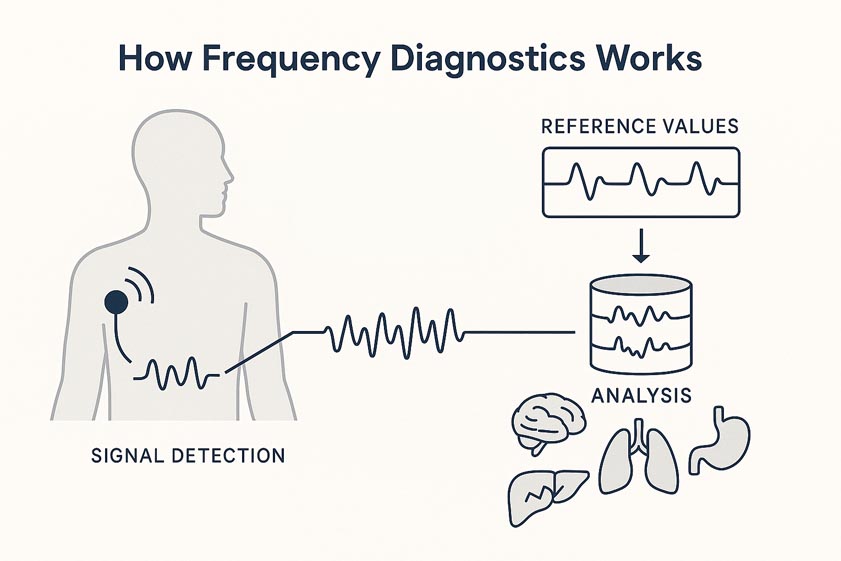
- Signal detection: Sensors placed on the skin record electromagnetic oscillations or the body’s response to test signals.
- Comparison with reference values: The recorded data is compared to databases of healthy frequency patterns.
- Analysis of deviations: Deviations indicate weakened or overactive functions in certain organs or systems.
This approach is similar to how an electrocardiogram (ECG) or electroencephalogram (EEG) measures electrical activity of the heart or brain — but here the analysis is extended to multiple organs and cellular processes.
3. Advantages of Frequency Diagnostics
- Non-invasive: No need for blood sampling, radiation, or surgical procedures.
- Functional focus: Provides information about how organs are working now, not only their structure.
- Early detection: Functional disturbances often appear in frequency data long before clinical symptoms.
- Dynamic monitoring: Progress of therapy can be tracked in real time, showing immediate changes in the body.
4. Limitations and Scientific Perspective
While frequency-based diagnostics is promising, it is often considered complementary.
It does not replace imaging or laboratory tests but provides functional insights that traditional methods may miss.
Ongoing research is investigating how specific frequency patterns correspond to particular diseases and whether this method can be standardized for clinical use.
What a Frequency Therapy and Diagnostics Session Looks Like
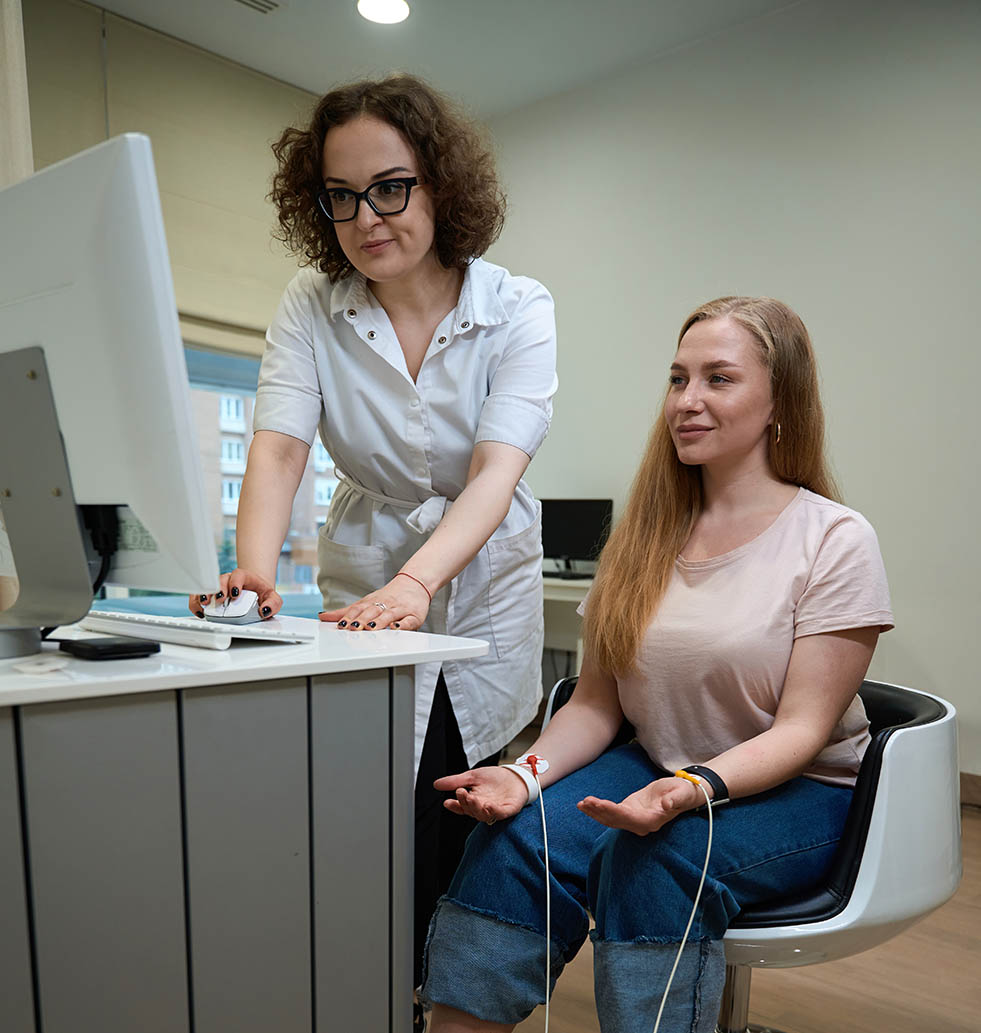
For the client, a session usually feels gentle and comfortable.
Step 1: Diagnostics
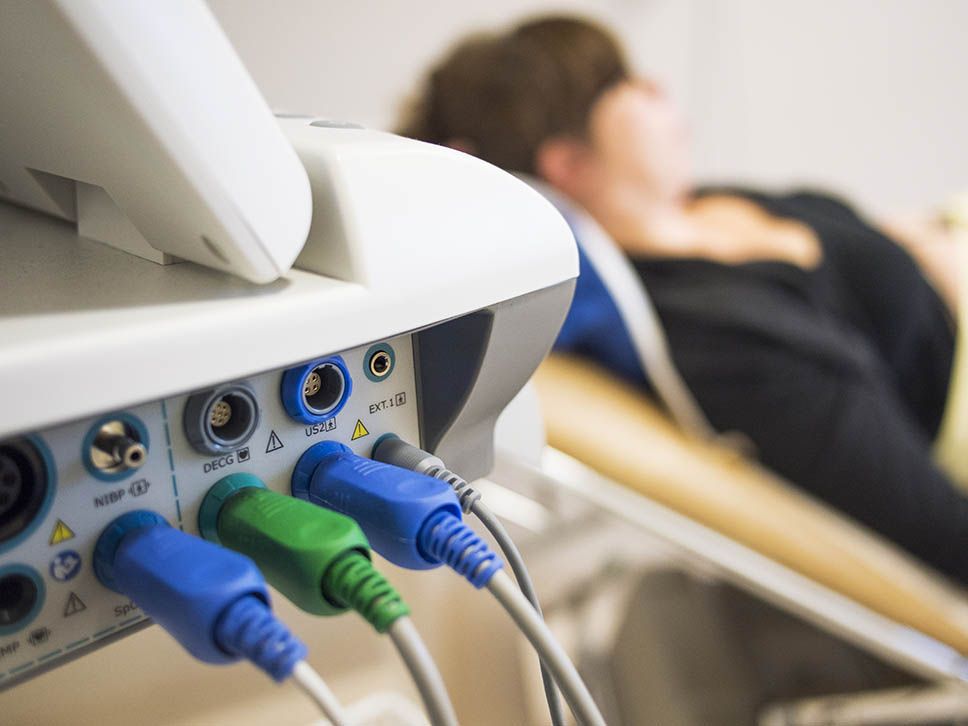
Sensors placed on the skin detect the body’s natural frequency signals.
These are compared with reference patterns, helping to identify:
- Functional imbalances
- Stress levels
- Weakened systems and organs
This step shows where issues may exist and how the body reacts in real time.
Step 2: Therapy
The same electrodes or pads then deliver corrective impulses that resonate
with the body’s natural frequencies. This biofeedback loop helps restore
balance at the cellular and systemic level.
Client Experience
Many clients describe sensations of:
- Warmth
- Deep relaxation
- Light tingling
A session typically lasts 15 to 40 minutes, depending on the chosen protocol.
Results
Unlike traditional pharmacological methods, where results may take days or weeks,
frequency therapy can produce noticeable effects sooner — such as:
- Reduced muscle tension
- Improved sleep quality
- Pain relief after just a few sessions
Monicor MR – Frequency Diagnostics and Home Therapy Device
Types of Frequency Therapy
- Bioresonance Therapy (BRT)
Uses electromagnetic oscillations corresponding to healthy cells and tissues.
The goal is to restore normal functioning by eliminating pathological oscillations and activating the body’s natural resources. - High-Frequency Therapy (UHF)
Applies high-frequency electromagnetic impulses or magnetic fields, often used in treating musculoskeletal conditions. - Structural Resonance Therapy (SRT)
Involves electrical current whose frequency corresponds to the natural biorhythms of a healthy human body, amplifying the therapeutic effect.
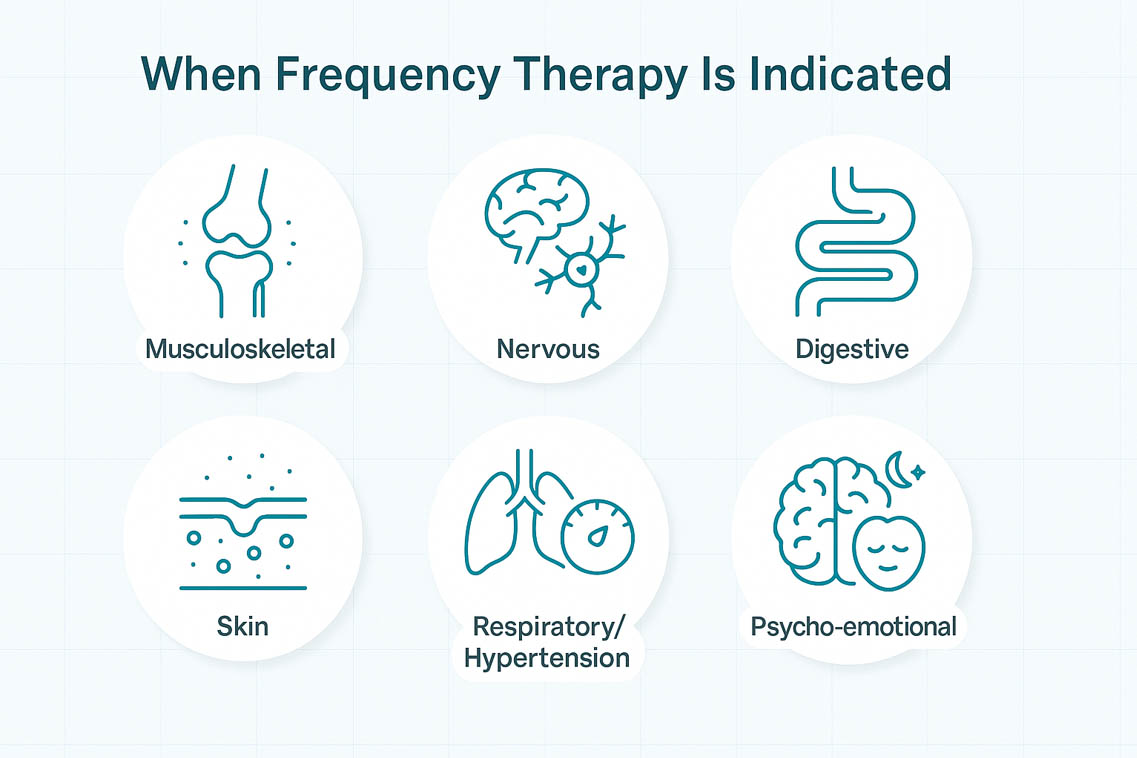
When Frequency Therapy Is Indicated
Frequency therapy can support a wide range of conditions:
-
Musculoskeletal disorders (osteochondrosis, arthritis, arthrosis)
-
Nervous system disorders (neuralgia, neuritis, post-stroke recovery)
-
Digestive system issues (ulcers, colitis)
-
Skin diseases (psoriasis, dermatitis, neurodermatitis)
-
Bronchial asthma, hypertension
-
Psycho-emotional disorders (depression, anxiety, insomnia)
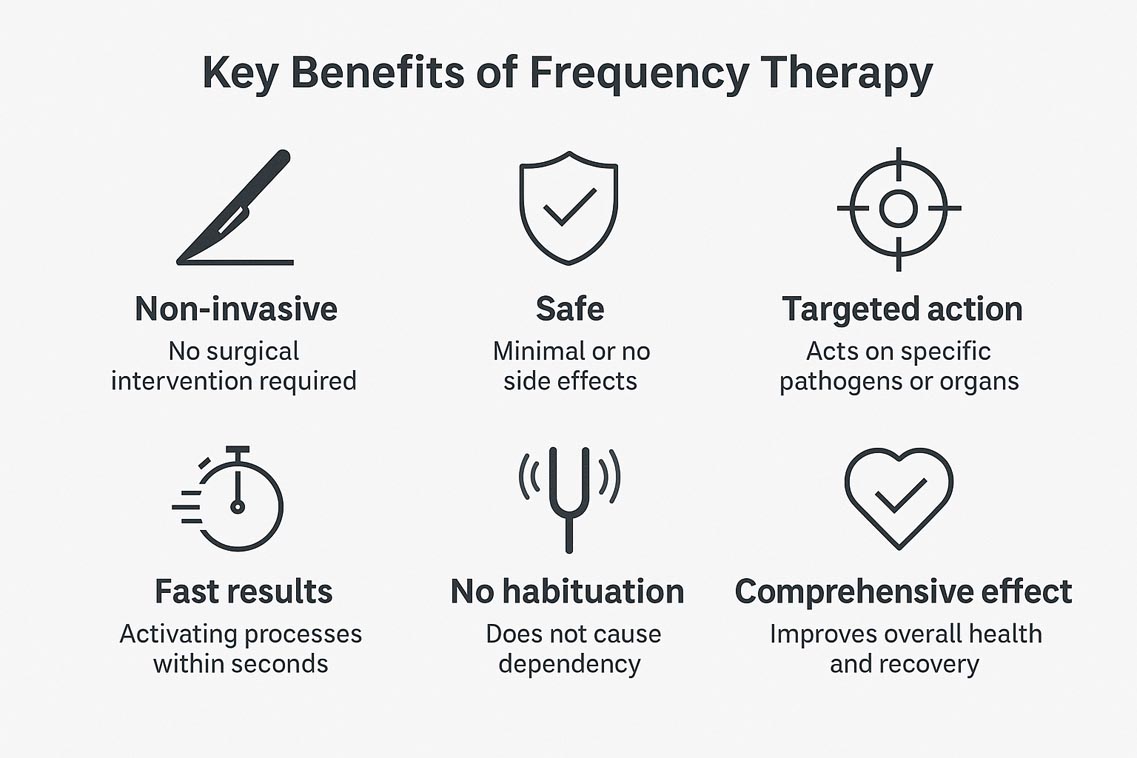
Key Benefits of Frequency Therapy
-
Non-invasive — no surgical intervention required
-
Safe — minimal or no side effects
-
Targeted action — acts on specific pathogens or organs without harming healthy tissue
-
Fast results — works at the informational level, activating processes within seconds
-
No habituation — unlike drugs, frequency therapy does not cause dependency.
👉 When the frequency resonates with the real frequency of a cell or organ, it acts like a tuning fork for a piano: it reflects, amplifies, or attenuates vibrations, restoring harmony naturally without altering the body’s material structure. -
Convenient — suitable for clinics or home use
-
Comprehensive effect — improves overall health and accelerates recovery
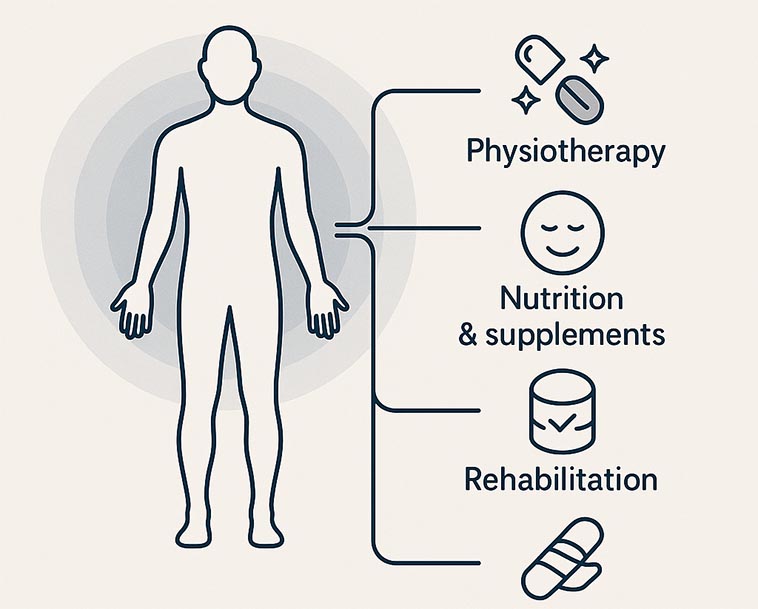
Integration With Other Approaches
It can be combined with:
-
Physiotherapy — speeding up tissue regeneration after injury
-
Nutrition & supplements — enhancing absorption and metabolic balance
-
Stress reduction practices (breathing, meditation) — supporting nervous system regulation
-
Rehabilitation programs — improving outcomes after surgery or illness
This integrative approach makes frequency therapy a valuable component of modern holistic healthcare.
The Future of Frequency-Based Medicine
The field of frequency therapy is rapidly evolving.
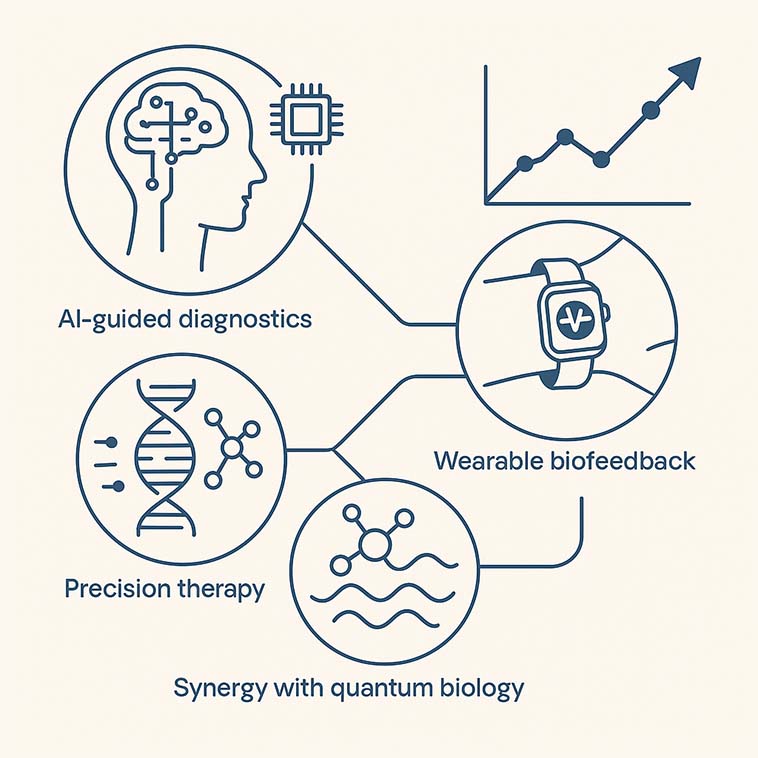
Innovations include:
-
AI-guided diagnostics — analyzing patterns in real time and adjusting protocols automatically
-
Wearable biofeedback devices — offering continuous support outside the clinic
-
Precision therapy — tailoring frequencies to a person’s genetic and metabolic profile
-
Synergy with quantum biology — exploring how information at the subcellular level drives health and disease
We are entering an era where medicine shifts from simply treating symptoms to restoring harmony at the informational level.
FAQ – Frequently Asked Questions
What is frequency-based health diagnostics?
Frequency diagnostics is a non-invasive method that analyzes the electromagnetic signals of cells, tissues, and organs. It helps detect functional imbalances before they develop into visible symptoms or structural changes.
How does frequency biofeedback therapy work?
During a session, sensors placed on the skin record the body’s frequencies in real time. The device compares them with reference values and immediately delivers corrective impulses, restoring balance at the cellular and systemic level.
What conditions can benefit from frequency therapy?
Frequency therapy is often used to support musculoskeletal issues, nervous system recovery, digestive disorders, skin problems, asthma, hypertension, and psycho-emotional imbalances such as anxiety or insomnia.
Is frequency therapy safe?
Yes. The method is non-invasive, does not involve drugs or surgery, and has minimal or no side effects. It can be safely combined with conventional medicine, physiotherapy, or wellness practices.
How quickly can I expect results?
Unlike traditional treatments that may take weeks or months, frequency therapy can bring noticeable changes within a few sessions. Clients often report relaxation, improved sleep, or pain relief soon after starting therapy.
Does frequency therapy replace conventional medicine?
No. Frequency therapy is considered complementary. It does not replace medical treatment but provides additional support by addressing functional imbalances and enhancing the body’s natural self-regulation.
“If you work with people — whether physically, emotionally, or energetically — Monicor gives you the ability to scan, analyze, and support your client’s health in just minutes.”

Boris Aranovich
Health Expert

